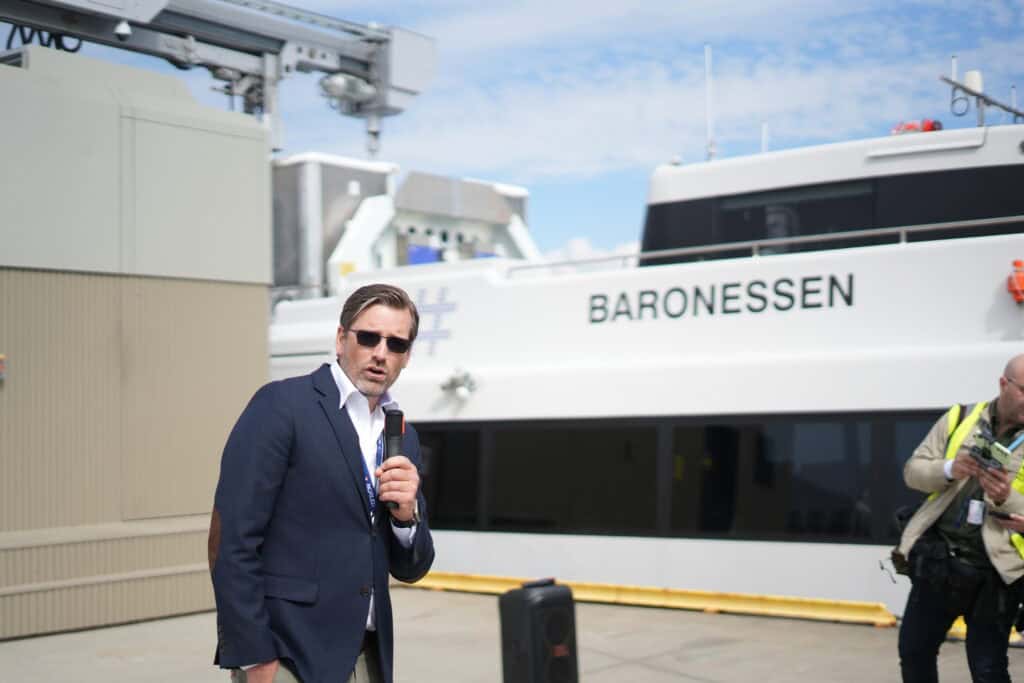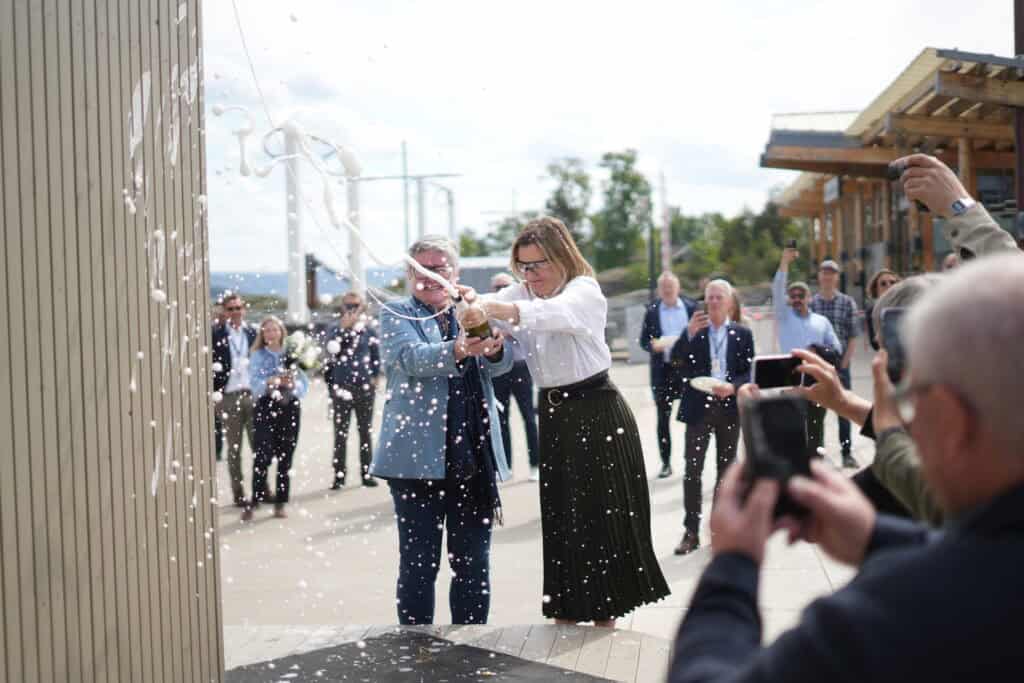
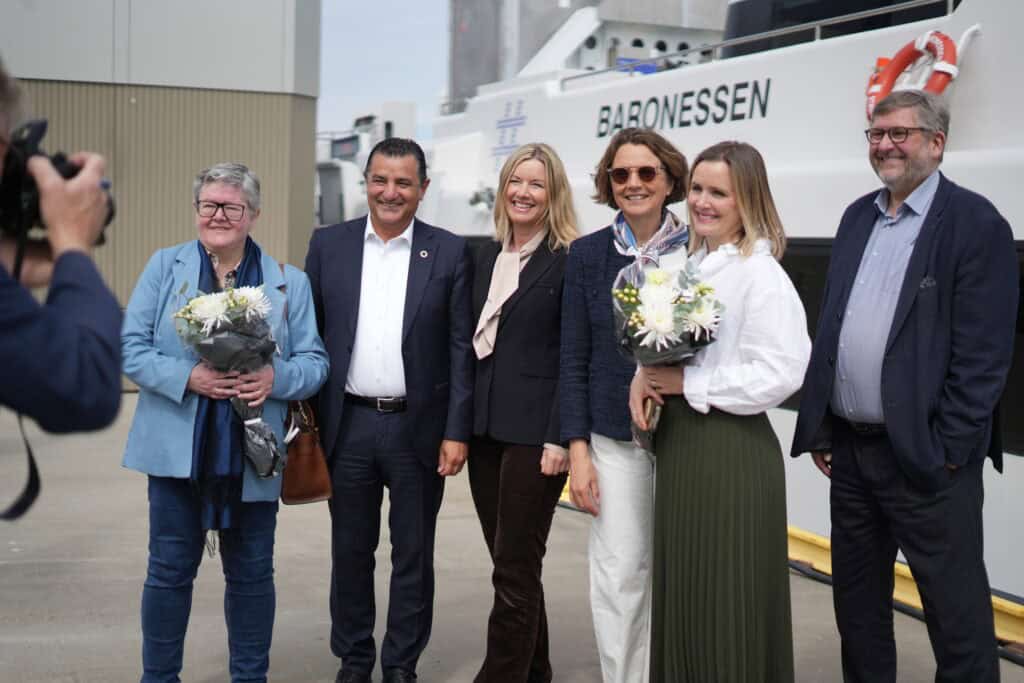
On Wednesday, May 20, Anette Marie Sollie, County Councillor in Akershus, and Marit Kristine Vea, City Councillor for Environment and Transport in Oslo, christened the battery swapping robot SHIFTR at Nesoddtangen. The christening marks a technological breakthrough in Norwegian public transport by sea.
“The battery swapping robot is an important step towards emission-free and more efficient operation of public transport on the Oslo Fjord. The technology makes it easier to implement electric express boats on a larger scale and will provide passengers with a more stable and predictable service,” says Anette Marie Solli, County Mayor of Akershus County Council.
“Charging time is no longer an issue when boats can have a freshly charged battery installed at the quay. Oslo and Akershus are pioneers in the electrification of scheduled boat services, which provides cleaner air, cuts emissions, and offers more comfortable journeys,” says Marit Vea, City Councillor for Environment and Transport in Oslo.
Pioneering work takes time
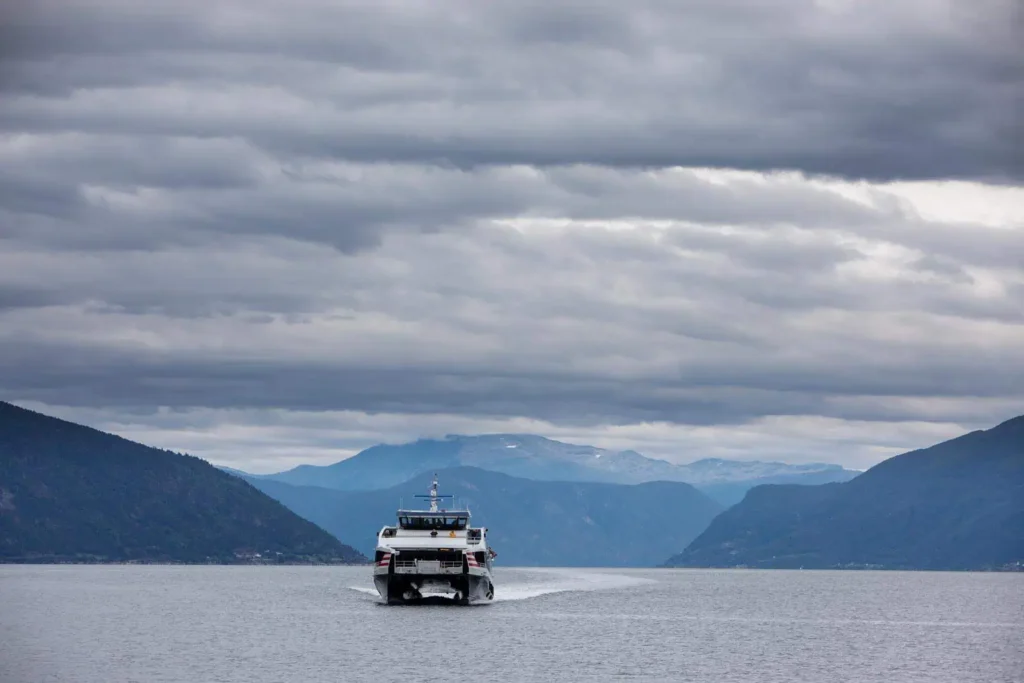
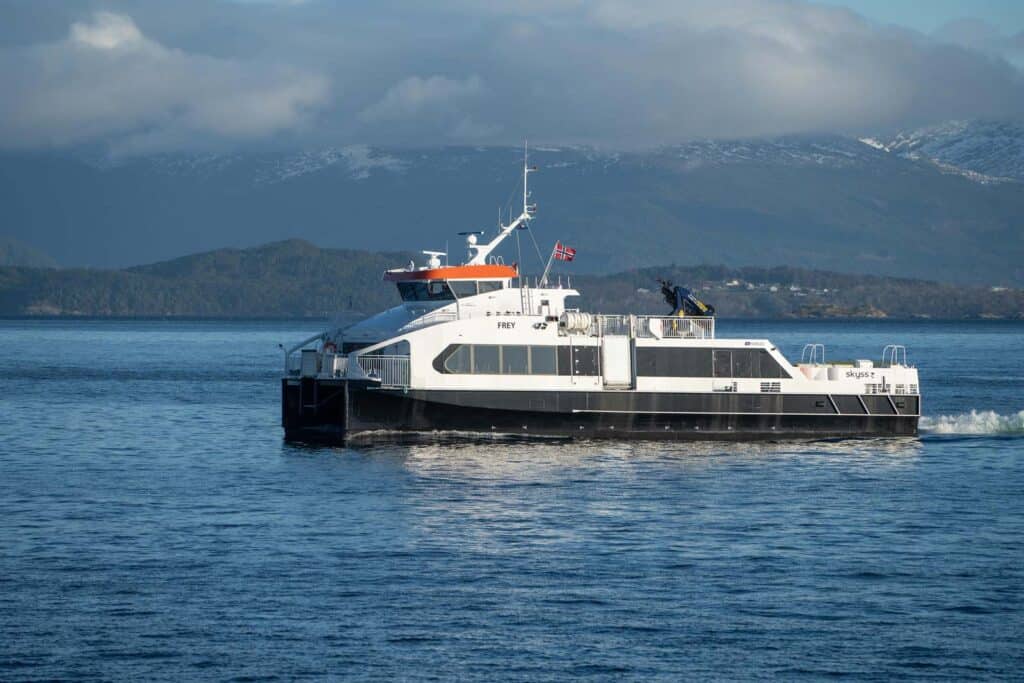
The battery swapping robot, SHIFTR, has been developed to enable rapid battery replacement on express boats, while the batteries are gently charged at the quay. The solution aims to increase the use of electric propulsion and gradually reduce the use of fossil fuels, without compromising capacity or passenger safety.
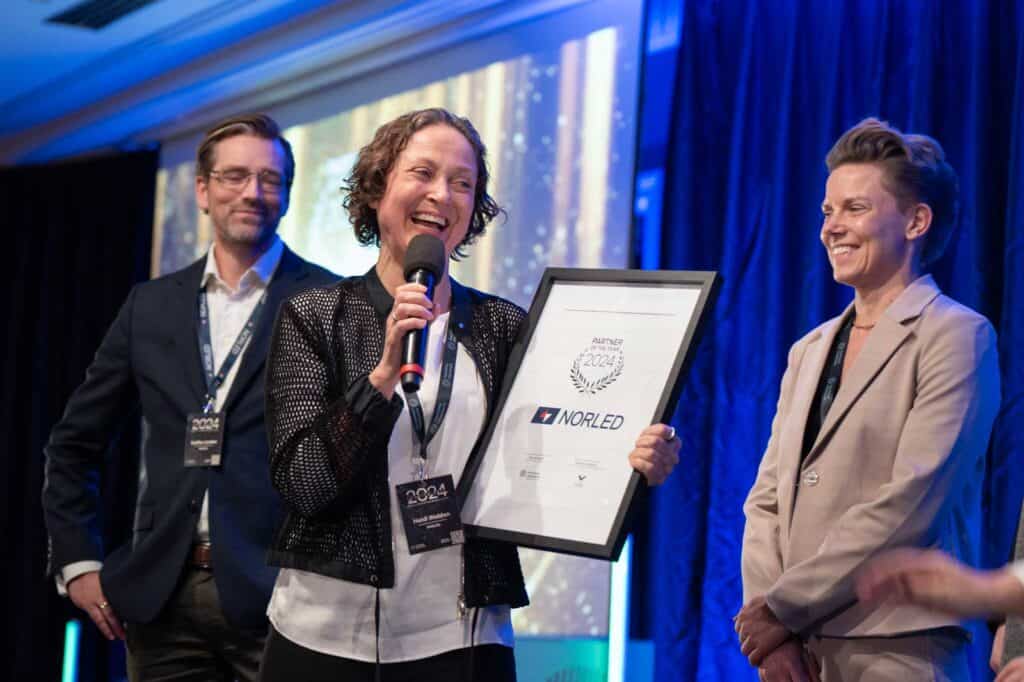
“Thanks to Ruter and to the Oslo and Akershus County Councils. They have been clear about their environmental and development goals, and equally clear about the importance of stable and good operational solutions. Our shared ambition is clear: the proportion of emission-free operations will increase over time – in line with the experience we gain in operation, further technological development, and adaptation of infrastructure and route patterns,” says Tone Wille, Chair of the Board at Norled.
As the world’s first operational battery swapping solution for express boats, the project has been pioneering work. Development, testing, integration, and certification have therefore taken longer than originally planned. Prioritizing safety and operational reliability over speed has been crucial.
Increasingly electric
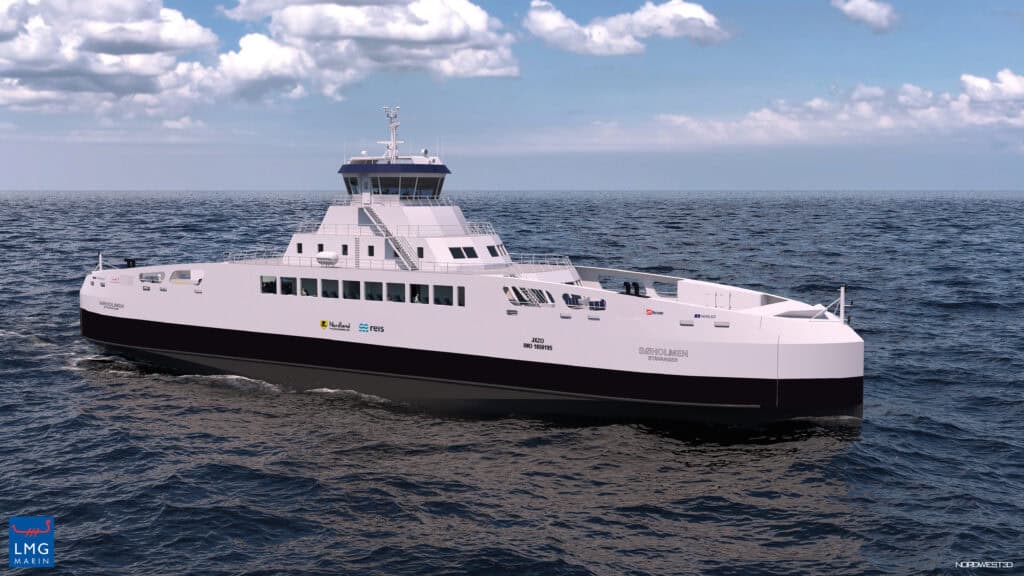
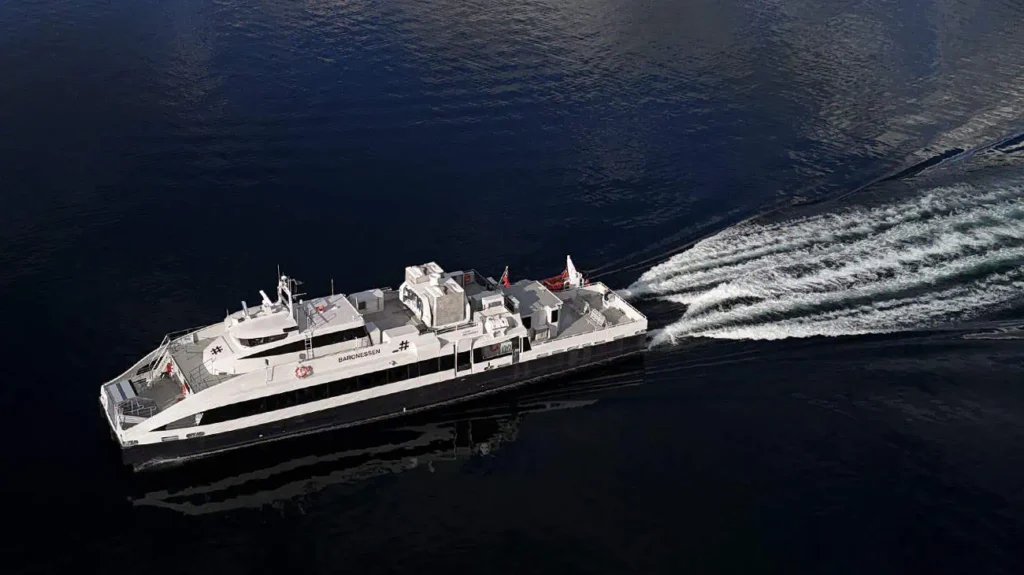
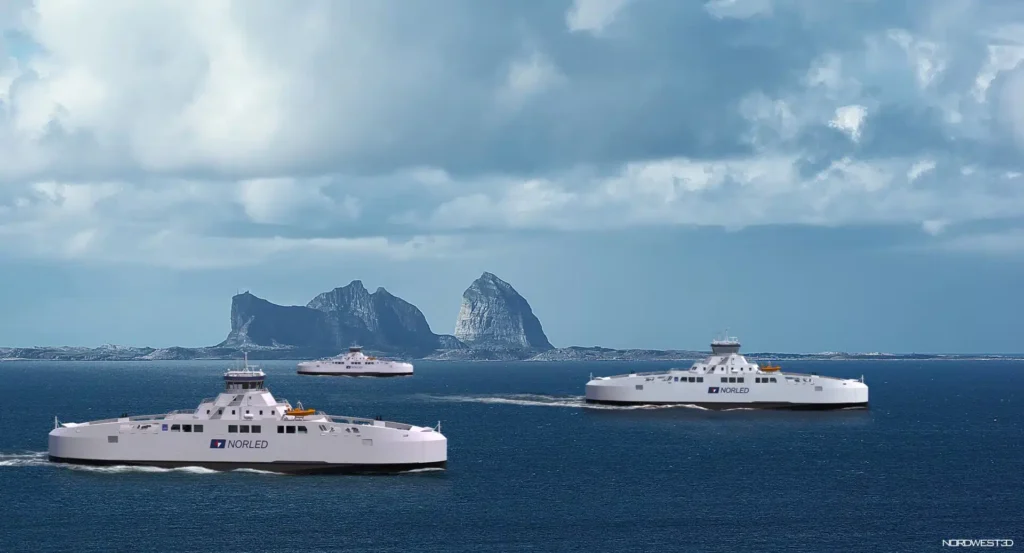
In the first phase, both MS Baronessen and MS Baronen will operate with hybrid propulsion. This means that the vessels will sail electrically with battery swapping for parts of the journey, combined with the use of HVO (hydrogenated vegetable oil) as fuel for other parts of the routes.
“The goal is a better and more future-oriented service. Those who travel with us will notice this in several ways. They can be assured that we are sailing increasingly environmentally friendly, and it is more comfortable with upgraded boats,” says Bernt Reitan Jenssen, CEO of Ruter.
The goal is to increase the proportion of electric and emission-free operations over time, in line with accumulated experience, further technological development, and adaptation of infrastructure and route patterns. Testing of the battery swapping robot in actual operation and route production on line B11 (between Nesoddtangen and Lysaker) is now scheduled for June 2026.